Menu Home

Aquarium Accessories for Easier Everyday Fish Keeping

A well-organized aquarium can make daily fish keeping enjoyable, efficient, and rewarding. The right accessories support routine care while helping maintain a clean, comfortable, and attractive aquatic environment. Thoughtfully selected equipment can also simplify feeding, cleaning, water monitoring, and general maintenance.

Helpful Feeding Accessories

Feeding becomes easier when suitable accessories are available for regular routines. Simple tools can help provide consistent portions and keep the aquarium area tidy.

  • Use a dedicated feeding scoop.
  • Choose containers for organized food storage.
  • Consider a feeding ring for floating foods.
  • Keep feeding tools clean and dry.
  • Store supplies within convenient reach.

Consistent feeding habits can encourage healthy routines while reducing unnecessary mess around the aquarium.

Practical Cleaning Tools

Cleaning accessories make routine maintenance more comfortable and efficient. Having dedicated tools available allows small tasks to be completed regularly without disturbing the overall setup.

  • Use an algae scraper for glass surfaces.
  • Keep a soft aquarium brush available.
  • Use a gravel cleaning tool for substrate care.
  • Keep a small net for gentle handling.
  • Maintain separate containers for maintenance tasks.

Regular cleaning helps preserve clear viewing areas and supports a fresh-looking aquarium.

Useful Water Care Equipment
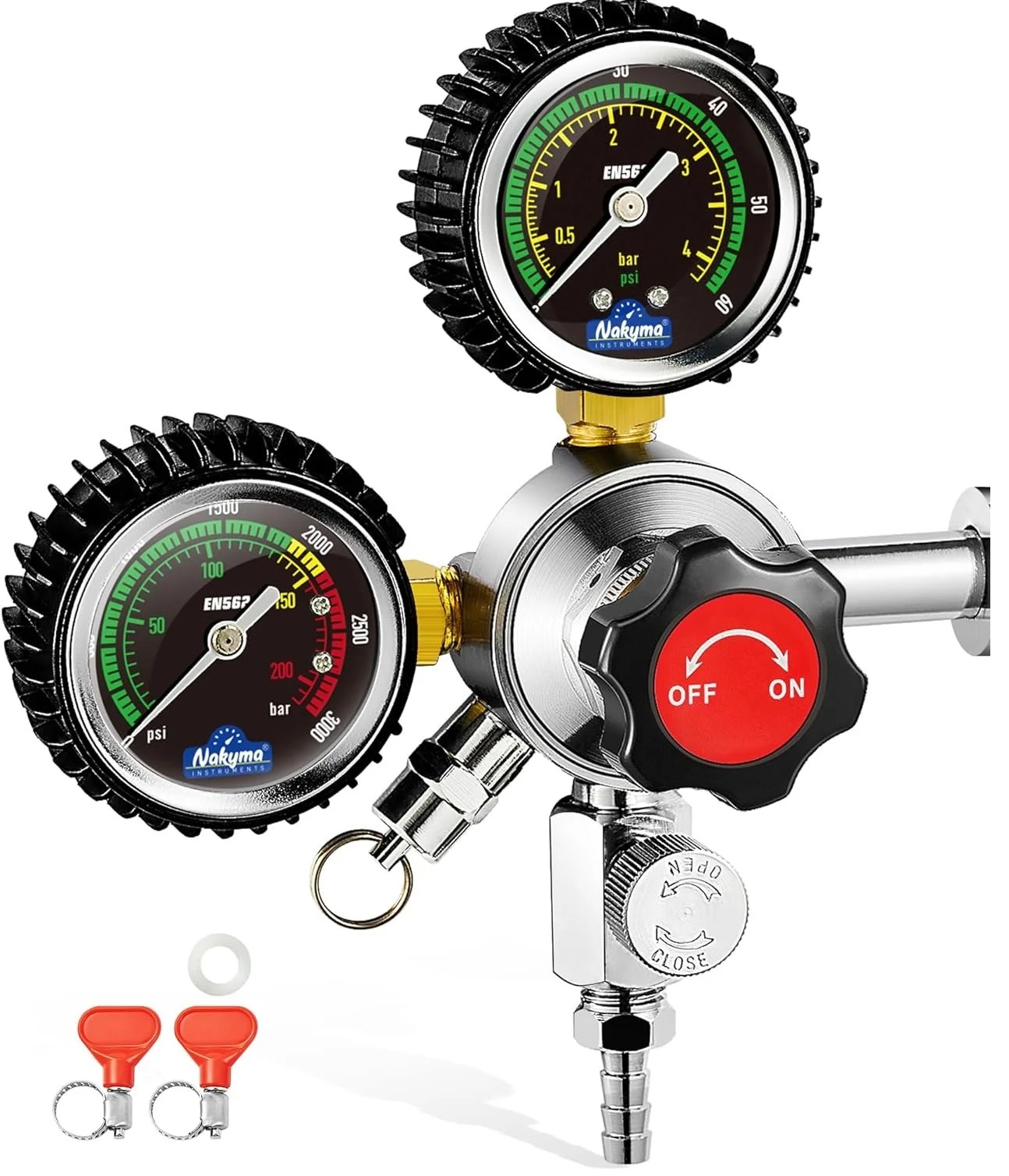
co2 Regulator

Water care accessories can simplify important maintenance activities. Testing tools help provide useful information, while measuring equipment supports accurate and consistent routines. For planted aquariums, selecting best co2 regulator equipment can also make carbon dioxide management more convenient and controlled.

  • Keeps water testing supplies organized.
  • Use a thermometer for temperature awareness.
  • Keep measuring containers nearby.
  • Maintain replacement filter media.
  • Use a siphon for convenient water changes.

These accessories can make routine water care feel straightforward and manageable.

Accessories For Comfortable Maintenance

Small additions can improve everyday convenience around the aquarium. A sturdy maintenance tray can keep tools together, while a suitable storage container can protect supplies between uses.

  • Keep towels nearby for quick cleanup.
  • Organize tools in one accessible area.
  • Use a timer for consistent lighting routines.
  • Keep spare air tubing available.
  • Maintain replacement suction cups when needed.

An organized maintenance area saves time and helps create a smooth daily routine.

Supporting A Neat Aquarium

Accessories can also contribute to a cleaner and more attractive aquarium environment. Cable organizers can keep equipment connections tidy, while suitable holders can position tubing and accessories neatly.

  • Arrange cords away from wet areas.
  • Secure tubing neatly along the aquarium.
  • Keep equipment surfaces free from buildup.
  • Store unused accessories safely.
  • Check tools regularly for cleanliness.

Building An Easy Routine

The best aquarium accessory collection is practical, organized, and suited to everyday needs. Choosing useful tools gradually allows fish keepers to create a comfortable maintenance system without unnecessary complexity. With accessible supplies and consistent habits, feeding, cleaning, water care, and equipment checks can become simple parts of an enjoyable aquarium routine. A thoughtfully equipped aquarium supports convenience while helping the entire setup remain pleasant, organized, and rewarding.

Advanced Training Supports Safer Integration Of Automated Machinery

Modern workplaces can benefit greatly from automated machinery when employees have the knowledge and skills needed to work with these systems responsibly. Advanced training provides practical guidance on safe integration, equipment awareness, and effective operating procedures. By developing strong technical understanding, professionals can support smoother workflows while maintaining a positive commitment to workplace safety.

Building Strong Automation Safety Knowledge

Training gives employees a structured understanding of automated equipment and the safety principles surrounding its operation. Clear instruction helps professionals recognize responsibilities, follow procedures, and approach new machinery with greater confidence.

  • Understand essential automation safety principles.
  • Learn appropriate operating procedures.
  • Recognize important safety responsibilities.
  • Develop consistent workplace habits.
  • Improve confidence around automated equipment.

Supporting Safe Machinery Integration

Introducing automated machinery requires thoughtful preparation and clear communication. Advanced education helps professionals understand how equipment should be introduced into existing workflows while maintaining organized processes and appropriate protective measures.

  • Review machinery requirements before integration.
  • Understand safe installation practices.
  • Prepare suitable operating procedures.
  • Encourage effective communication among teams.
  • Support organized integration activities.

Strengthening Risk Awareness

Automation can involve moving components, controlled processes, and changing operational conditions. Training encourages professionals to assess activities carefully and recognize opportunities to apply preventive measures before beginning tasks.

  • Identify potential hazards during operations.
  • Understand preventive safety practices.
  • Improve awareness of moving equipment.
  • Apply appropriate protective measures.
  • Encourage proactive workplace observations.

Developing Practical Operating Skills

Practical training allows employees to connect technical knowledge with real workplace responsibilities. Guided activities can strengthen familiarity with machinery controls, operating sequences, inspections, and safe responses to routine situations.

  • Practice responsible machinery operation.
  • Learn safe startup and shutdown procedures.
  • Develop effective inspection habits.
  • Strengthen awareness of equipment controls.
  • Improve responses to operational situations.

Encouraging Effective Team Communication

Safe automation depends on cooperation between employees who operate, inspect, maintain, or work near machinery. Training promotes clear communication so that teams can coordinate activities and maintain consistent safety practices.

  • Share equipment information clearly.
  • Communicate operating changes effectively.
  • Discuss safety procedures with colleagues.
  • Encourage responsible reporting practices.
  • Support teamwork during machinery activities.

Promoting Continuous Learning

Automation environments can benefit from regular knowledge development. Refresher education helps professionals maintain familiarity with established procedures while creating opportunities to strengthen skills and support ongoing safety improvements.

  • Attend regular safety learning sessions.
  • Review machinery procedures periodically.
  • Participate in practical training exercises.
  • Share useful operational observations.
  • Strengthen knowledge through continuous development.

Advancing Specialized Machine Safety Skills

Focused learning can help professionals develop deeper knowledge of machinery-related responsibilities. Specialized opportunities such as Machineveiligheid training Haarlem can support stronger understanding of machine safety principles, protective practices, and responsible equipment operation.

  • Improve machine safety awareness.
  • Understand protective systems and procedures.
  • Strengthen technical decision-making.
  • Develop responsible operating habits.
  • Build confidence with machinery responsibilities.

Supporting Efficient Workplace Operations

Safety training can contribute to smoother operations by helping employees understand equipment, procedures, and responsibilities before machinery becomes part of routine workflows. Well-prepared teams can approach automated processes with greater clarity and consistency.

  • Reduce uncertainty around equipment operation.
  • Encourage organized workplace activities.
  • Support consistent operational procedures.
  • Improve employee confidence.
  • Promote responsible use of automation.

Creating A Positive Safety Culture

Advanced training empowers employees to participate actively in safe automation practices. By combining technical knowledge, practical skills, communication, and continuous learning, teams can support responsible machinery integration and positive operational performance. Strong preparation helps make safety an essential part of successful automated workplace activities.